Sand Mound Septic Systems in Schuylkill County: Maintenance Guide for Rural Properties
Schedule NowSand Mound Septic Systems in Schuylkill County: Maintenance Guide for Rural Properties
If your property sits on the rocky, clay-heavy soil that's common across rural Schuylkill County, there's a good chance you're relying on a sand mound septic system rather than a standard in-ground drainfield. Sand mounds are engineered to work where the natural soil can't properly treat wastewater on its own, and they require a slightly different maintenance approach than a conventional system. Here's what rural Schuylkill County homeowners need to know to keep one running for decades.
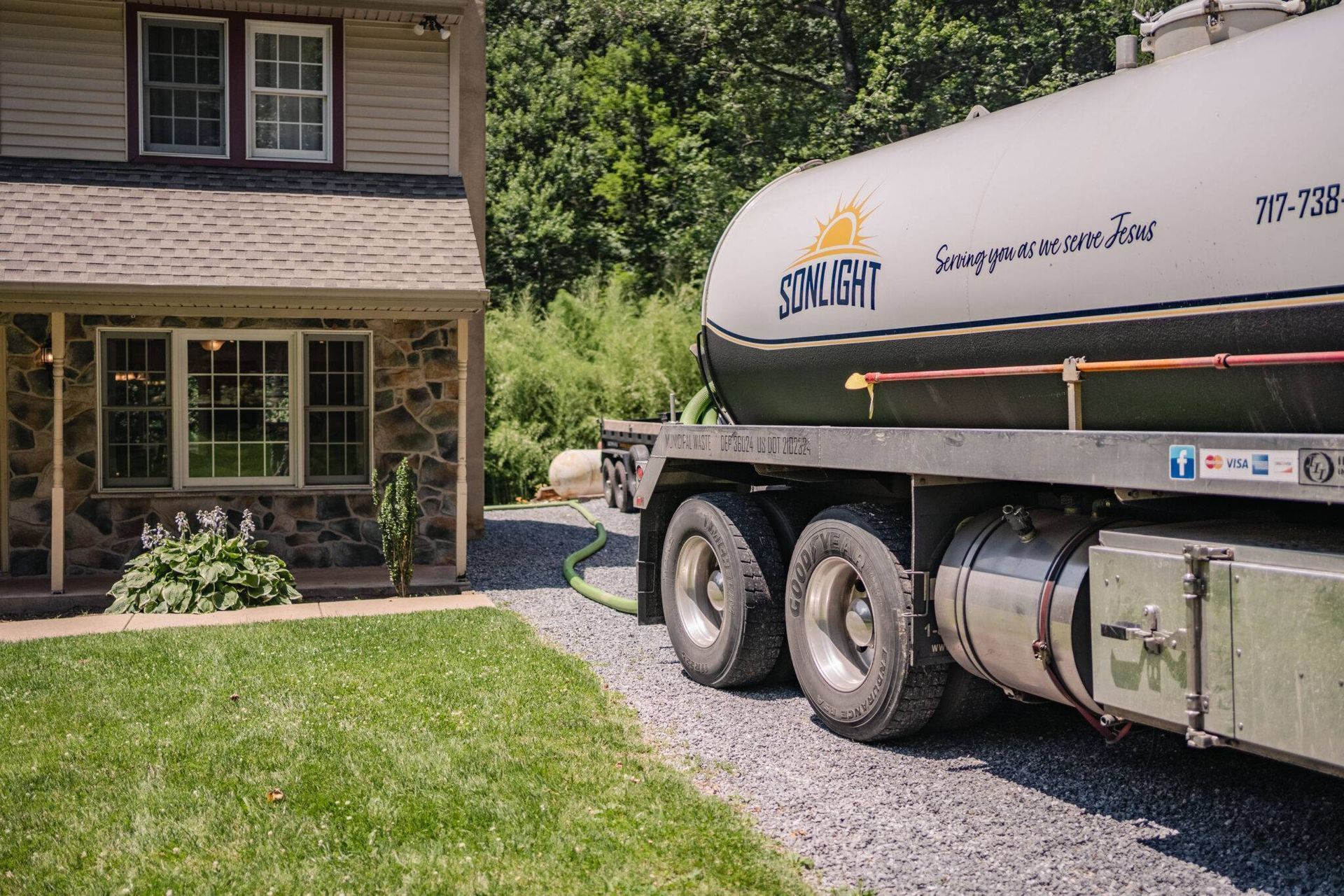
Understanding Sand Mound Septic Systems in Pennsylvania
Sand mound systems were developed specifically for properties where shallow soil, high groundwater, or bedrock close to the surface make a traditional drainfield impossible to install safely. Instead of burying pipe directly in native soil, a sand mound builds an above-grade layer of sand fill on top of the ground, giving wastewater the depth of clean, permeable material it needs to be treated properly before it reaches groundwater. Across the hillier, rockier parts of Schuylkill County, this design is extremely common, and the Pennsylvania Department of Environmental Protection has specific construction standards these systems must meet.
How a Sand Mound System Works
Wastewater leaves the septic tank and is pumped, under pressure, into a network of small distribution pipes buried in the sand mound. A pump chamber and float switches control timed doses, so the sand layer receives wastewater in controlled amounts rather than a constant flow. This dosing is what allows the sand to properly filter and treat effluent before it percolates down into the natural soil below. Because a pump is involved, sand mound systems have an electrical and mechanical component that gravity-fed systems don't, which is one reason routine checks matter more here than with a standard system.
Common Problems With Sand Mound Septic Systems
The issues we see most often on sand mound systems in rural Schuylkill County properties include pump failures, clogged distribution laterals, and erosion or settling of the mound's sand cap over time. Mowing too close, driving or parking on the mound, or allowing tree roots to grow into the area can all shorten the system's lifespan. Because the mound sits above grade, it's also more visible when something's wrong — soggy patches, unusual grass growth, or a rotten-egg smell around the mound are all signals worth addressing quickly with septic repair service before a small issue becomes a full system failure.
Legal Requirements and Schuylkill County Septic Regulations
Pennsylvania regulates sand mound systems under DEP's onlot sewage disposal standards, and Schuylkill County's local sewage enforcement officers add their own inspection and permitting requirements on top of that. Any repair or repiping work typically needs to be documented, and many townships require periodic reporting for compliance purposes. Our team handles township inspection reporting digitally, so paperwork gets submitted directly to your municipality without homeowners needing to track down forms or worry about missed deadlines.
Routine Maintenance For Sand Mound Septic Systems
Because sand mounds rely on a pump and float system, routine maintenance should include more than just tank pumping. A qualified technician should check the pump chamber, float switches, and alarm system during every service visit, in addition to measuring sludge and scum layers in the tank itself.
Go-to Checklist for Sand Mound Septic System Care
- Keep vehicles, livestock, and heavy equipment off the mound at all times
- Mow the mound with a push mower only — avoid riding mowers that compact the sand cap
- Plant only shallow-rooted grass on the mound; avoid trees and deep-rooted shrubs nearby
- Test the pump alarm periodically to confirm it's functioning
- Keep downspouts and surface water diverted away from the mound
- Schedule a professional inspection at least once a year
How Often Should You Pump Your Septic Tank
Most residential tanks connected to a sand mound system should be pumped every two to three years, though household size, water usage, and tank capacity can shift that timeline. Homes with a garbage disposal or higher-than-average water use often need pumping closer to every two years. Our Schuylkill County septic pumping cost guide breaks down typical pricing and what affects it locally.
Seasonal Considerations For Schuylkill County Properties
Winter freeze-thaw cycles can be tough on the exposed sand mound cap, especially on properties at higher elevation. Make sure snow isn't plowed onto the mound, since heavy snow load can compact the sand and interfere with pump lines underneath. Spring runoff is the other seasonal risk — mounds on sloped rural lots should be graded so surface water sheds away rather than saturating the sand layer, which can overwhelm the system's treatment capacity right when it's already handling snowmelt.
Signs Your Sand Mound System Needs Professional Attention
Watch for these warning signs between scheduled maintenance visits:
- A pump alarm sounding or an alarm light staying on
- Standing water or soggy ground anywhere on or near the mound
- Unusually green or lush grass growth in a strip pattern on the mound
- Sewage odors near the mound or inside the home
- Slow drains throughout the house
Any of these can indicate a failing pump, a clogged lateral, or a mound that's reaching the end of its treatment capacity. Catching problems early through septic field remediation is almost always less expensive than a full system replacement.
Best Practices to Increase Septic System Life
Spacing out laundry loads instead of running several in a row, avoiding harsh chemical drain cleaners, and being mindful of what goes down the drain all reduce strain on both the tank and the mound. A membership plan that bundles routine pumping and inspections is one of the simplest ways rural homeowners keep a sand mound system on schedule without having to remember to call every time.
Frequently Asked Questions About Sand Mound Septic Systems
Can I build anything on top of a sand mound? No — the mound needs to stay clear of structures, pavement, and heavy equipment so the sand cap and pump lines aren't damaged.
How long do sand mound systems typically last? With proper maintenance, 20 to 30 years is common, though the pump and float components usually need replacement sooner than the mound itself.
Is a sand mound more expensive to maintain than a standard system? Slightly, mainly due to the added pump component, but routine care costs are still modest compared to the cost of premature system failure.
Choosing a Trusted Septic Maintenance Service in Rural Schuylkill County
Not every septic company is equally comfortable working on sand mound systems, since the pump chamber, float switches, and pressure-dosed laterals require specific know-how beyond a standard gravity system. When vetting a provider, look for DEP licensing, PSMA certification, documented experience with sand mound and pressure-dosed systems specifically, and a willingness to explain what they find in plain language rather than pushing straight to replacement.
Why Local Experience Matters for Rural Septic Systems
Rural Schuylkill County's terrain, soil conditions, and township requirements are different from what a company serving flatter, more urban areas typically deals with. Sonlight Services is veteran-owned and family-operated, with DEP licensed and PSMA certified, CDL-certified technicians who've worked on sand mound systems across the county's rural properties for 25+ years. We follow a repair-before-replace philosophy, back our work with a lifetime tank warranty, 3-year pump warranty, and 1-year workmanship warranty, and offer 24/7 emergency availability when a pump failure can't wait until morning.
Have questions about your sand mound system, or due for a pumping and inspection? Request a free quote or book your septic pumping with Sonlight Services today.
Harold Case