Fall Septic Prep: Getting Your System Ready Before the Ground Freezes
Schedule NowFall Septic Prep: Getting Your System Ready Before the Ground Freezes
Fall is the easiest time of year to get ahead of septic problems — the ground is still workable, the yard is still visible, and there's still time to schedule service before winter demand picks up. A little attention now can save you from dealing with a frozen line or a surprise backup once temperatures drop. Here's what Pennsylvania homeowners should knock out before the first hard freeze.
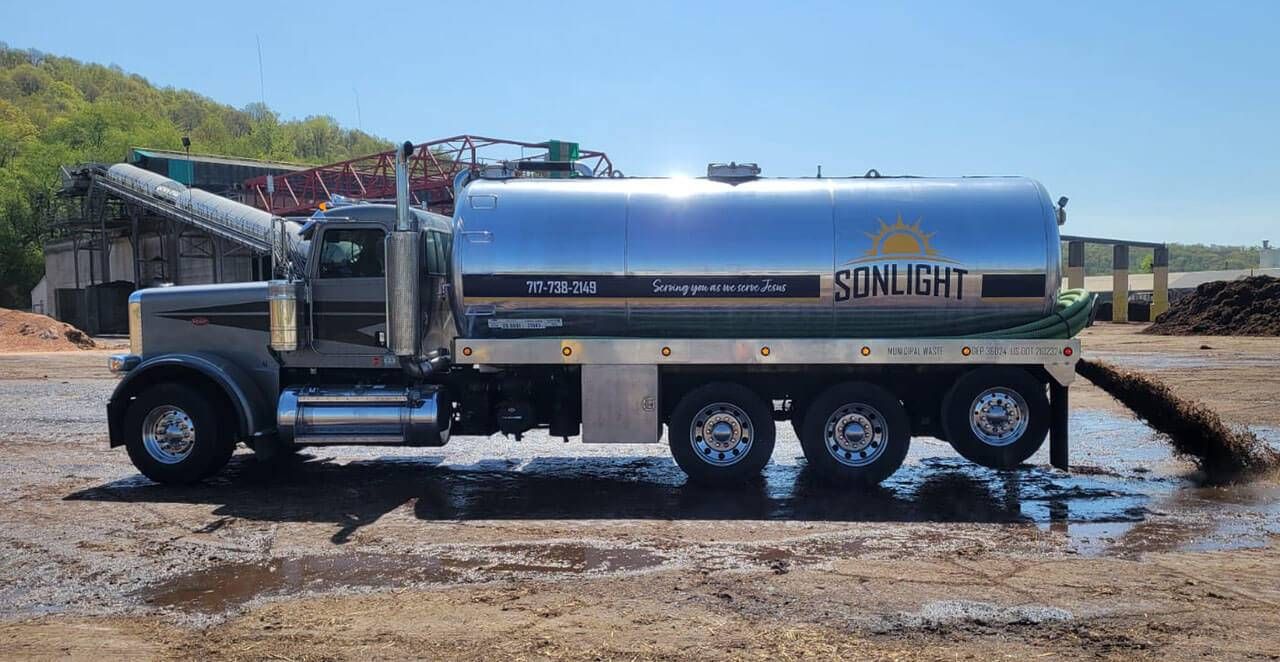
Why Fall Is the Best Time to Prepare Your Septic System
Once the ground freezes, everything about septic service gets harder — locating access points, digging if a repair is needed, and simply getting a technician out during the winter rush when emergency calls spike. Handling routine maintenance in the fall means smaller, cheaper fixes now instead of a cold-weather emergency later.
Schedule Pumping Before Winter Hits
How to Know If You're Due for a Pumping
Most households need pumping every two to three years, but usage, tank size, and household size all shift that timeline. If you can't remember your last service date, fall is a good time to check your records or have a technician measure your tank's sludge and scum layers directly rather than guessing. Our residential pumping team can confirm where you stand in a single visit.
Why Waiting Until Winter Makes Repairs Harder
A tank that's close to full going into winter has far less buffer to absorb the higher water usage that comes with holiday guests and more time spent indoors. Pumping now, while the ground is still soft and access points are easy to reach, avoids the scramble of trying to get service scheduled once winter's emergency calls start rolling in.
Locate and Mark Your Tank Access Points
Why This Matters Before Leaves and Snow Cover the Yard
Fallen leaves, and eventually snow, can bury access lids and make them nearly impossible to find without digging around blindly. Take a few minutes now to locate your tank's lids and risers, and consider marking them with a small stake or flag so they're easy to find later — for you or for a technician responding to an urgent call in January.
Fall Yard Maintenance for a Healthy Septic System
Raking Leaves and Protecting the Drain Field
A heavy, wet layer of leaves left sitting over the drain field can trap moisture against the soil surface and interfere with the natural evaporation the field depends on. Rake leaves off the drain field area regularly through the season rather than letting them pile up until spring.
Tree Roots and Why Fall Growth Patterns Increase Risk
As surface soil temperatures drop in fall, tree roots often push deeper and toward warmer, moisture-rich areas — including the soil around septic pipes and tanks. This seasonal root activity is a common driver of the kind of intrusion we cover in our tree root intrusion guide, and fall is a smart time to have a camera inspection done if you have mature trees anywhere near your system.
Inspect and Winterize Outdoor Plumbing Connected to Your System
Shutting Down Irrigation and Outdoor Fixtures
If your property has irrigation lines, outdoor showers, or hose bibs that feed into the same system, shut these down and drain them before temperatures drop. Standing water left in these lines is one of the more common causes of early-season freeze damage.
Insulating Exposed Pipes and Risers
Any pipe or riser sitting close to the surface should be insulated with a foam cover before the first freeze, not after. This is especially important for pump-assisted systems like sand mounds, where exposed risers sit above grade and are more vulnerable to cold.
Fall Maintenance Checklist for Pennsylvania Homeowners
- Schedule pumping if you're at or near your two-to-three-year mark
- Locate and mark tank access lids before leaves and snow arrive
- Rake leaves off the drain field regularly through the season
- Get a camera inspection if mature trees sit near your system
- Shut down and drain any irrigation or outdoor fixtures tied to your system
- Insulate exposed risers and shallow pipe runs before the first freeze
When to Call a Professional Before Winter
If you notice slow drains, odors, or standing water anywhere near your tank or drain field, don't wait for a scheduled fall visit — those are signs worth addressing now through septic repair before cold weather makes the underlying issue worse. If your township requires documented service, our township inspection reporting keeps that paperwork current automatically after every visit.
FAQs About Fall Septic Maintenance
Is fall really better than spring for septic maintenance? Both are reasonable, but fall has the advantage of getting ahead of winter's higher usage and harder access conditions, rather than catching up after the fact.
Can I still get a pumping scheduled if I wait until November? Usually yes, but scheduling gets tighter as the weather turns and demand increases — booking in September or October gives you more flexibility.
Does a membership plan help with fall prep specifically? Yes — our Septic Stewardship Membership includes an annual system audit, so fall maintenance happens automatically rather than something you have to remember to schedule yourself.
Ready to get your system squared away before winter? Request a free quote or schedule your fall pumping with Sonlight Services today.
Harold Case